Category: Eye Care

  • What is Dry Eye Syndrome?

    What is Dry Eye Syndrome?

    What is Dry Eye Syndrome?

    Dry eye syndrome is a common condition clinically described as the decline in the quantity or quality of tears on the surface of the eye. It is the result of a decrease in the sensitivity of the cornea, excessive evaporation of tears, or a physical disorder in the glands that form tears. Environmental factors or medical conditions often exacerbate dryness, which can be easily relieved with drops to supplement natural tear production.

    The tear film can be considered to consist of three layers. The most superficial layer is the oil layer (lipid layer) produced by the oil glands in the lids. These oil glands are called meibomian glands. This oil layer coats the tear film retarding evaporation. The aqueous (water) component of the tear film is secreted by the lacrimal glands located in the upper part of the bony orbit. Every time we blink, you naturally replenish the thin layer of tears covering your eyes. Dry eyes occur when the system that produces your tears breaks down. This causes the clear tissue that covers the opening of your eye (cornea), or parts of it, to dry out.

    Some people don’t produce enough tears to keep their eyes comfortably lubricated. Common causes of dry eyes include:

    Aging
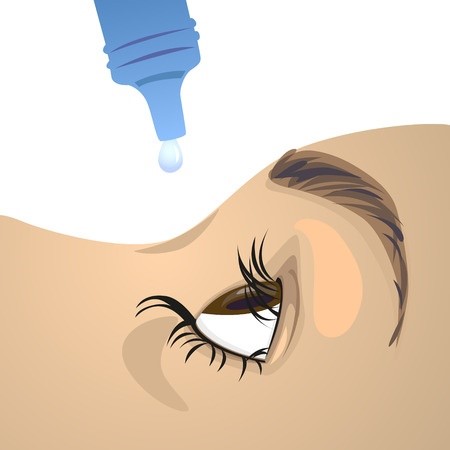
    Dry environment or workplace (wind, air conditioning)
    Sun exposure
    Smoking or second-hand smoke exposure
    Cold or allergy medicines
    An eye injury or other problem with your eyes or eyelids (like a drooping eyelid or bulging eyes)
    An eye injury or other problem with your eyes or eyelids (like a drooping eyelid or bulging eyes)
    Eyelid deformities

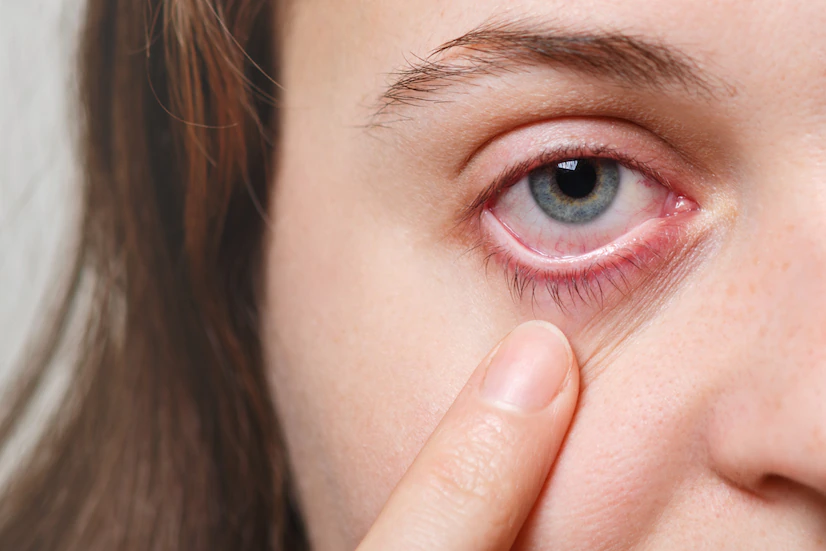
    Dry eyes usually affect both the eyes. The symptoms may include :

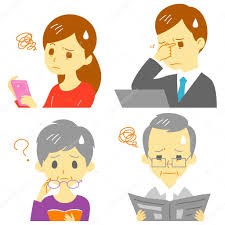
    Eye fatigue and discomfort
    Redness
    Itching
    Dryness
    Irritation and scratchiness
    Discharge or crusting of lids
    Blurry vision
    Pain or light sensivity
    Burning
    Foreign body sensation
    Difficulty wearing contact lenses

    Major Symptoms of Dry Eye
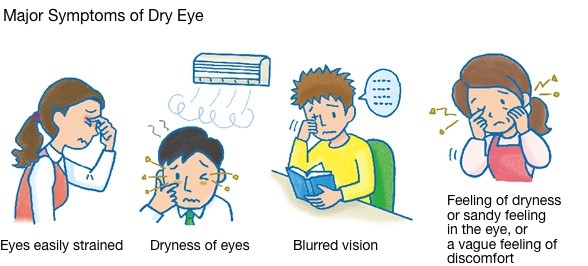
    • Computer users report dry eye symptoms so frequently, it’s been called CVS – Computer Vision Syndrome. During reading and TV or computer viewing, the rate of eyelids blinking reduces significantly. This causes the tear film to evaporate leading to dryness of the eyes.
    • Lasik eye surgery patients often suffer post Lasik dry eyes
    • Women get dry eye syndrome as a result of hormonal fluctuations, especially during menopause
    • Older people also suffer as their eyes produce 40% less tears
    • Contact lens wearers often have dry eye syndrome because their corneal sensitivity becomes reduced over long-term use
    • Those on medications like antihistamines, antibiotics, antidepressants, and birth control pills can get dry eyes
    • Smokers and allergy sufferers are very susceptible to dry eye syndrome
    • People living in dry, dusty, or windy climates report dry eye symptoms, especially in winter when indoor air is dry and stale.

    Dry eye is a chronic, progressive disease that affects the surface of the eye. Without treatments, the symptoms may ebb and flow, but there is likely progressive damage occurring to the front surface of your eye. If left untreated, dry eyes can become dangerous. Excessive dryness can scar the cornea, impairing vision and damaging the tissues. Significant dryness can lead to greater chance of infection, breakdown of the corneal barriers and perforation of the cornea.
    Dry eye syndrome is an ongoing condition, often with a vicious cycle of inflammation, that can be cured or not depending on the causes for the dry eye. However the effects of dryness, scratching and burning can be managed. Applying artificial tears and ointments typically treats dry eyes. These give temporary relief, but usually do not arrest or reverse damage to the eye.

    Some simple steps can be adopted to reduce symptoms in minor Dry eye

    Try artificial tears, available as either drops or ointment. Ointments last longer, but are thicker and can cause blurry vision
    Don’t smoke. Avoid second-hand smoke, direct wind, and air conditioning.
    Use a humidifier, especially in the winter.
    Purposefully blink more often. Rest your eyes.

    If the dry eye is caused by environmental factors, use of sunglasses during outdoors can reduce exposure to sun, wind, and dust. Indoors, an air cleaner can filter out dust and other particles from the air, while a humidifier adds moisture to air that’s too dry because of air conditioning or heating
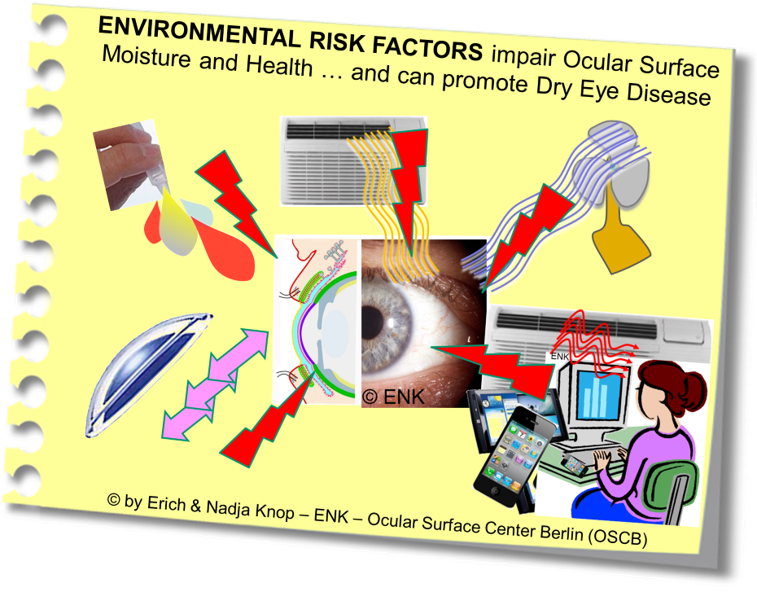
    The frequency of dry eye medications or tear substitutes is usually dependant on the severity of your condition. For mild cases, one or 2 drops a day may suffice, for severe cases even hourly instillation may be needed. Your doctor will generally decide the timing of your tear substitute; e.g., you may need them just after a journey in the dust or after watching TV or Computer for a long time etc.

    Temporary or permanent silicone plugs in the lacrimal (tear) ducts keep tears in your eye from draining away as quickly thus retaining for longer periods of time the tears produced naturally or topically applied drops. Sometimes, however, the tear ducts need to be closed surgically.

    Dry eye caused by “meibomitis” (the infection and inflammation of oil glands in the eyelids) can be treated with antibiotics such as tetracycline. Contact lens may also be a cause of dry eyes, which can be cured by switching off to a different lens or wearing time of the lens should be minimized. In a few cases, it is recommended that contact lens wear be discontinued altogether until the dry eye problem is cleared up.

    If medications are the cause of dry eyes, discontinuing the drug generally resolves the problem. But in this case, the benefits of the drug must be weighed against the side effect of dry eyes. Sometimes switching to a different type of medication alleviates the dry eye symptoms while keeping the needed treatment. Switching of drugs should ideally be a combined decision of the ophthalmologist and the treating physician.
    Adding Immunomodulator medicines to reduce ocular surface inflammation and break the cycle that worsens dry eye is often helpful. These medicines may be in the form of a short course of steroid eye drops or a longer course of medicines such as Cyclosporine, Lifitegrast or Chloroquine eye drops. The latter drops can often be used for years safely.
    Sometimes recommend special nutritional supplements for dry eyes. Studies have found that supplements containing certain essential fatty acids (Linoleic and Gamma-Linolenic) can decrease dry eye symptoms.
    Dry eye patients commonly face other problems as well.

    Nasal or sinus congestion, post nasal drip, and sneezing
    Allergy and hay fever symptoms
    Middle ear congestion
    Chronic coughing

    Dry eye treatment may often require a multidisciplinary approach using coordinated treatment between the ophthalmologist, immunologist and the treating physician.

    Get a call back from our Experts

    [fluentform id=”3″]
  • What are Contact Lenses?

    What are Contact Lenses?

    What are Contact Lenses?

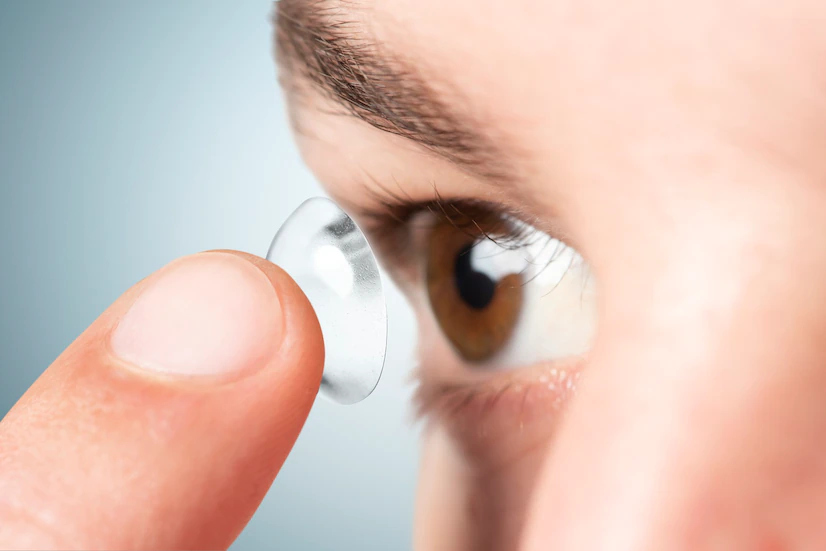
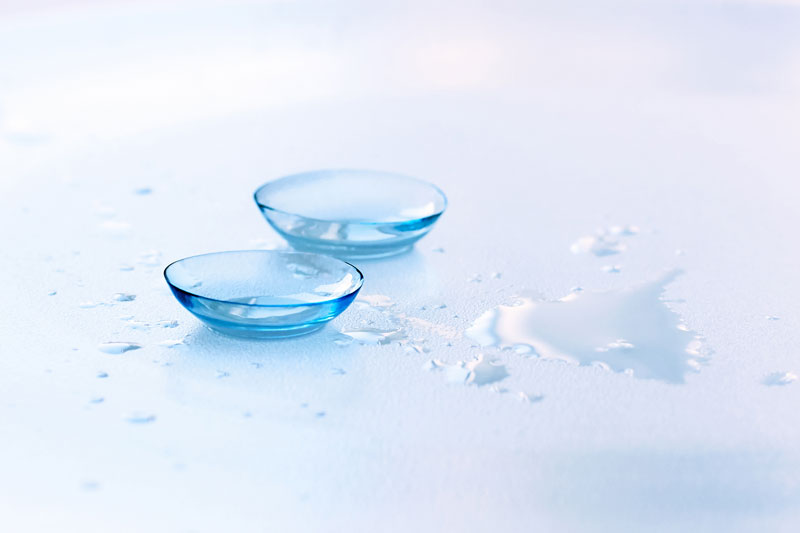
    Contact lenses are transparent, light weight medical implant which sits directly on central black part of your eye and corrects the refractive error just like your spectacles.


    What are the Types of Contact Lenses?

    Materials

    Purpose

    Types

    Gas permeable lenses (RGP)

    astigmatism as they offer a more rigid fitted lens irregularity in the shape of cornea

    Soft lens wearers who don’t find their vision is sharp enough


    Soft contact lenses

    Use to correct refractive error- myopic, astigmatism

    Extended wear CL

    Daily disposable lenses

    Toric contact lenses

    Multifocal contact lenses

    Cosmetic contact lenses

    Scleral/ mini scleral contact lenses

    used to correct vision in a number of conditions such as keratoconus, post-refractive surgery corneal issues, ocular surface disease, dry eye, and even normal refractive errors.


    Therapeutic contact lenses

    help treat or manage diseases of the cornea or patch one eye (treat double vision).


    Contact Lens Users Beware!

    Patience and motivation during the initial adjustment period to contact lens wear.
    Adhering to contact lens guidelines for wear, disinfecting and cleaning
    Do not use the CLs for more than the specified disposal schedule
    Special care while working in dusty environment.
    Seek medical help in case of recurrent dryness, itching or redness

    Recommendations for Contact Lens Users

    Always wash and dry your hands before handling contact lenses.
    Carefully and regularly clean your contact lenses as directed by your eye doctor. Rub the contact lenses with your fingers and rinse them thoroughly before soaking them overnight in multipurpose solution that completely covers each lens.
    Store lenses in the proper lens storage case, and replace your case every three months or sooner.
    Clean the case after each use, and keep it open and dry between cleanings
    Use only products recommended by your eye doctor to clean and disinfect your lenses. Do not use saline solution and rewetting drops to disinfect lenses, as that is not what they are designed to do.
    Use fresh solution to clean and store contact lenses. Never reuse old solution. Change your contact lens solution according to the manufacturer’s recommendations, even if you don’t use the lenses daily.
    Always follow the recommended contact lens replacement schedule prescribed by your eye doctor

    Get a call back from our Experts

    [fluentform id=”3″]
  • What is Presbyopia?

    What is Presbyopia?

    WHAT IS PRESBYOPIA?

    Anagha is a very active woman. She runs every day, manages her home and her office beautifully. In some sense she is a super woman. All was going well for her until she started experiencing hazy vision for her reading related activities and headache after prolonged computer work. She was very confused as otherwise she felt very healthy. She came to me for an eye check-up and I informed her that everything was perfect. She just needed reading glasses. She was shocked and commented then how could everything be normal for her. Se was 44 years of age and poor her, she wasn’t aware of the normal age-related need for reading glasses. I explained about Presbyopia to her.
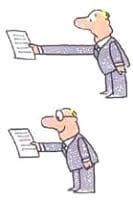
    Presbyopia is the natural physiological weakening of the lens accommodative power which happens with age beyond 40. It is a process of aging of the eye wherein the lens loses its flexibility and is now unable to focus near objects.
    Inability to read comfortably or needing to keep the material at an increased distance, are the main symptoms of presbyopia. Normally it starts after 40 years of age.
    Near vision testing using different charts like Snellen’s near vision chart can pick this up.


    What are the TREATMENT options Available?

    Optical Correction
    Eye glasses with bifocal or progressive lenses/ Transition glasses would be the usual and most common resolution to these issues. If people do not prefer to wear glasses, they have the option of contact lenses.
    Refractive surgery for presbyopia is also available for people who do not wish for either glasses or contact lenses

    Presbyopic Lasik

    It is an advanced type of laser surgery which modifies the shape of the cornea creating different zones of power to see at various distances. The laser creates zones of power for far, near and intermediate vision. Your brain will adapt to select the zone needed to obtain clearest vision depending on where the object is located. This aims to give you clear vision and make you glass free for distance as well as near vision. However, it has the disadvantage of a poor quality of vision. Hence most surgeons don’t prefer this Lasik for presbyopia correction. A more preferred option s called mono-vision (presbyond) where one eye is corrected for near and the other is corrected for distance. It retains a good quality of vision compared to the other Lasik.

    Other Options

    There are also Lens bases procedure called refractive lens exchange with multifocal or trifocal IOL implant. This is a great option for patients who are above the age of 45-50 years and have early cataract changes as well. The choice of lens implantation can be based on the lifestyle requirements.
    Surgical implantation of a presbyopic corneal inlays is another procedure which is not very popular due to the associated side-effects
    So, all in all many options exist for people who are unable to see clearly for near objects. Glasses, contact lenses, Lasik, lens exchange with IOL implantation are some of the commonly preferred options. The choice may be dependent on patient’s lifestyle, preferences and the condition of the eye.

    Reading glasses, progressive glasses, transition glasses, near vision treatment, Lasik for near vision correction, lens surgery for good reading vision, which lens is good for reading and distance, eye doctor, presbyopia

    Summary- Presbyopia is a common eye condition that affects people above the age of 40. Reading vision reduces and patients need to wear reading glasses or contact lenses. Those who don’t want to wear glasses can go for Lasik or lens replacement surgery.

    About Dr. Neeraj Israni

    Dr. Neeraj Israni is a Cataract and Refractive surgeon. He is trained from the best eye institutes of the country. He is a very diligent eye specialist and researcher. Other eye doctors appreciate him not just for his clinical skills but other skills like video making etc. He has won numerous national and international awards.


    Get a call back from our Experts

    [fluentform id=”3″]